LLM Inference Testbed for Performance and Agentic-Quality Analysis
Single-socket EPYC workstation running frontier-class 600B+ parameter language models locally, with 2TB RAM and 128GB VRAM across four AMD Radeon Pro V620 GPUs.

Systems Dr. Martin has designed and built, which inform his expert work.
The operating system for the technical workbench.
Technicomp Benchtop Linux is a Linux distribution that Dr. Martin designed, built, and released in alpha in 2026: an immutable, stabilized workstation rolling release for x86 and ARM, derived from openSUSE Aeon and built on Tumbleweed. Most of the system stays current with Tumbleweed, while the kernel and desktop move more cautiously, with an LTS kernel by default and the previous upstream-supported GNOME release. Every update is a snapshot that can be rolled back, and the desktop is tuned to remain responsive under heavy load. It is configured for security analysis, reverse engineering, virtualization, software development, and AI work.
Read more about Benchtop Linux → · Technicomp Labs · Source on GitHub
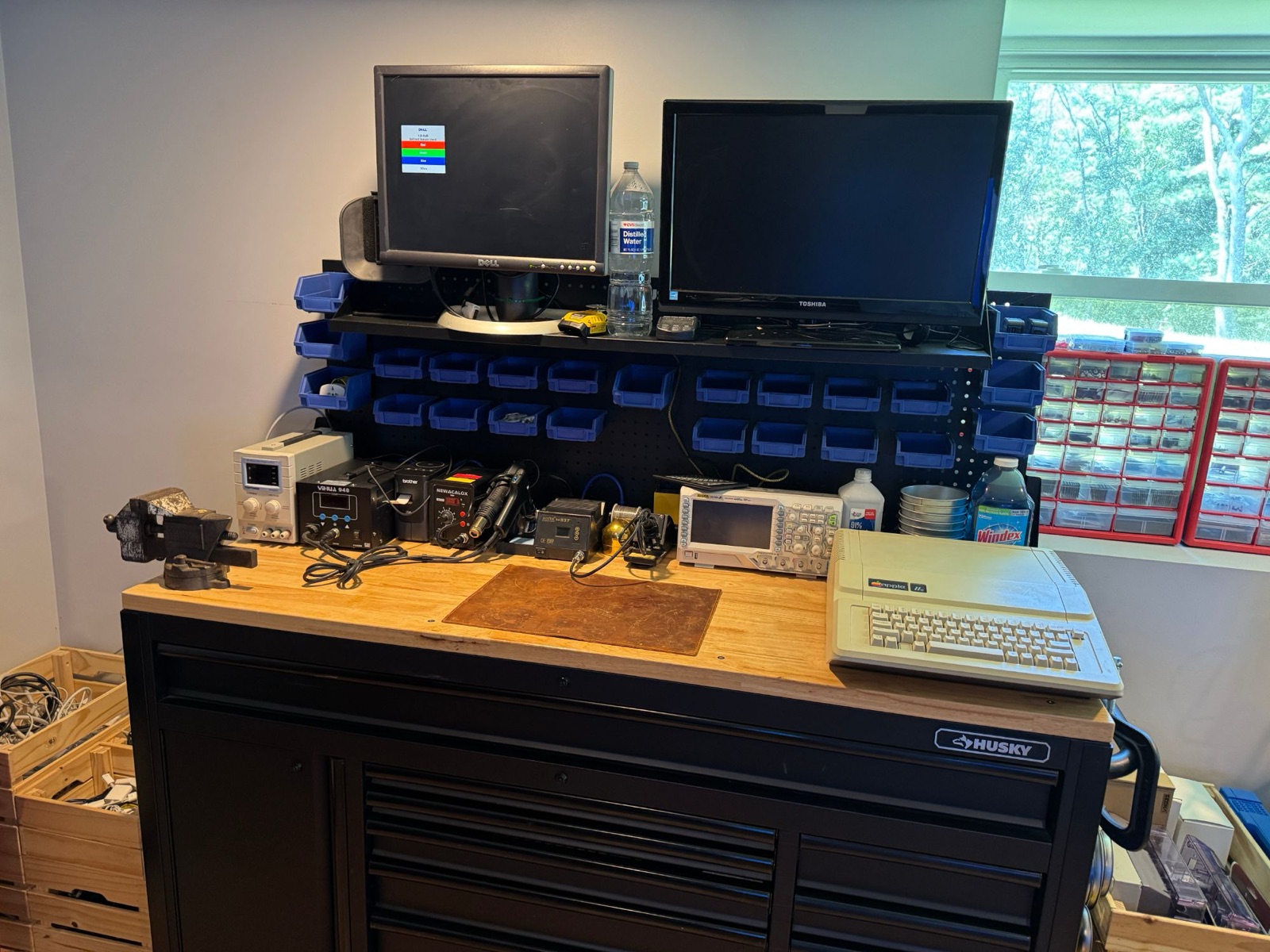
Dr. Martin maintains a dedicated hardware analysis laboratory equipped for the component-level investigation, firmware extraction, and forensic analysis that his expert witness and research work requires. The lab includes oscilloscopes, logic analyzers, stereo microscopes, hot-air and infrared rework stations, soldering stations, programmable power supplies, and a range of device-specific diagnostic tools.
This equipment supports board-level fault isolation, firmware dumping and analysis, signal capture and protocol decoding, and component-level repair — capabilities that are directly applied in litigation involving hardware failures, embedded system disputes, and firmware forensics.
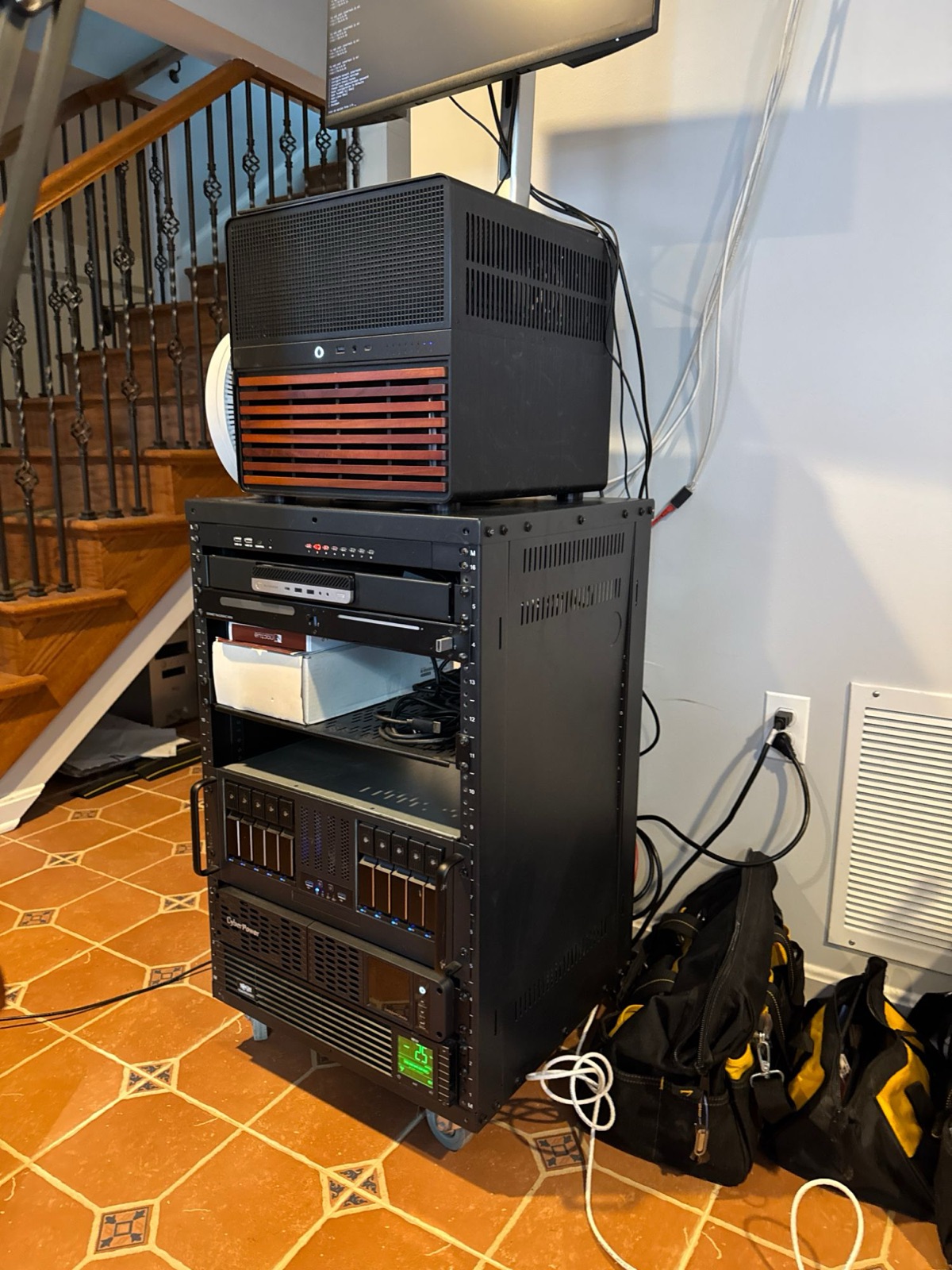
Single-socket EPYC workstation running frontier-class 600B+ parameter language models locally, with 2TB RAM and 128GB VRAM across four AMD Radeon Pro V620 GPUs.
Design and operation of self-hosted virtualization, storage, compute, and network infrastructure supporting security research, AI inference, and expert analysis.
A hardware security add-on for IoT-class processors that builds control-flow profiles and enforces secure execution on embedded devices.
Commercial security analysis platform that scans firmware, containers, and virtual machine images for known vulnerabilities and cryptographic implementation flaws, with automated CVE cross-referencing against NIST’s National Vulnerability Database.
Component-level hardware diagnostics, board repair, firmware extraction, and open-source firmware (Coreboot) work across laptop and embedded platforms.
IDA Pro plugin and emulator that observes how binary instruction snippets, including code from malware samples, modify their computing environment, for dynamic analysis of compiled binaries.
Built an automated malware sample analysis platform using VMware CLI automation to test antivirus products. Results were used in nationally published product evaluations.
Engaged to analyze and defeat the digital rights management protections on a mobile digital content distribution platform, cataloguing multiple independent methods of circumvention.
Real-time web-based dashboard for analyzing and securing smart grid network traffic. Subsequently patented and commercialized.
Secure indoor location-sensing system using tamper-resistant Bluetooth Low Energy beacons to provide unspoofable location for healthcare authentication and access control.
Discovered multiple vulnerabilities in a commercially deployed infusion pump system, including a remote code execution vulnerability. Developed a working exploit achieving arbitrary code execution on the device.
Research system for enforcing minimum necessary access in healthcare IT through integration of audit logs and access control policies. Patented.
Dr. Martin's independent work lives at Technicomp Labs, the home of Technicomp Benchtop Linux, along with his technical blog, open-source projects, performance research, hardware restorations, and a museum archive of vintage computers and game consoles.